quote of the day

more Quotes

What's the weather?

Mostrando entradas con la etiqueta 4 ESO. Mostrar todas las entradas

3.30.2018

CONDITIONALS

Dear students, time to have a look at what you've learnt about the conditional sentences.

Do you recognise any of the structures you've been dealing with in the last units?

There's a BEAUTIFUL song by Whitney Houston, eternal, I recommend you to watch the video,

 where she talks about a hypothetical future and the things she thinks would happen in that future.

 Listen to the song because we will be dealing with this topic soon, but after that, watch this version

by GLEE where you can follow the lyrics and look for conditionals.


3.07.2018

FUTURE TIME AND CONDITIONALS EXERCISES

Dear students, after downloading this PDF which you have seen in class these days, you can have a

look at the exercises I recommended you to practise on both future time and conditional sentences. 

You can check your answers with the corrections below


CORRECTION 1 AND CORRECTION 2

Just in case you say that you don't have enough information about conditional sentences....


2.22.2018

CONDITIONALS


download the PDF for grammar explanation

Time to practise conditional questions.
Click the wheel and answer the question:

Will you meet us at the concert if Mary buys the tckects for you?
If Mary pays me the tickets, I will go to the concert 


2.08.2018

FUTURE TENSES FOR FUTURE TIME


Dear students,

HERE you can practise the future tenses we have been dealing with during these few days.

Remember that it is your intention what is important when you choose a particular tense. The future

 is always unpredictable, we only try to guess.

If we have some kind of clue, a plan,  some facts to support our statements

we choose BE GOING TO

Susan is going to meet her lawyer Paula this week. (They have an appointment)

If the future is not clear, we may have an intention, something we have suddenly thought about, but it

 is not for certain; or maybe we try to guess without any fact, or maybe it is just a future statement,

we choose WILL.

We will go to the beach this weekend ( it is not clear, we haven't decided anything yet)


We use the present simple when we talk about timetables, schedules

I meet my friends on Saturday at  five o'clock in the afternoon  (we meet every Saturday, next included)


We choose the present continuous when there is a kind of plan, something we are thinking about with

 a strong intention and it is very near in the future, we almost "touch" the time.

We are leaving for the beach on two hours  ( when this two hours have passed, you and your friends

 are getting into the car and driving to the beach)


Future continuous, on the other hand, is used to express some future progressive action ( can be

planned, or just thought, but it will take a time and it will be happening in the future)

This time tomorrow we will be swimming in the ocean


1.21.2018

RIHANNA Where have you been?


Now that this unit is over, maybe you want to review some of the structures you've been dealing with up to now:
 Listen to this song by Rihanna and tell me which structures you recognise.


1.06.2018

RELATIVE SENTENCES


You can download THE EXPLANATIONS SEEN IN CLASS  dealing with relative sentences HERE


You can download some extra exercises and the key answers HERE

10.26.2017

PRESENT PERFECT / PAST SIMPLE


USAMOS EL PRESENTE PERFECTO CUANDO ESPECIFICAMOS EL TIEMPO EN EL QUE LA ACCIÓN COMENZÓ   (SINCE) .SE ENTIENDE QUE LA ACCIÓN TERMINA EN EL PRESENTE.

I have sung in the choir since 2012  (now I'm still singing there)


USAMOS EL PRESENTE PERFECTO CUANDO HABLAMOS DE UN PERIODO DE TIEMPO ESPECÍFICO PERO INDETERMINADO EN EL PASADO (FOR). SE ENTIENDE QUE LA ACCIÓN TERMINA EN EL PRESENTE


I have sung in the choir for hours


EN AMBOS CASOS EL MOMENTO  EXACTO (FECHA EXACTA)   NO LA SABEMOS. 

PARA ESO USAMOS EL PASADO SIMPLE
I only sang in the choir during three weeks on September (2017)----cuando el año no se especifica, es el más cercano.

TRUCO : una frase en presente perfecto en inglés se puede traducir al español usando el presente simple

I have sung in the choir since 2012   "canto en el coro desde el 2012"


RECUERDA QUE: EL LUGAR DE LOS MARCADORES DE TIEMPO ES MUY CONCRETO EN LA FRASE:

EVER, NEVER, ALREADY Y JUST ..........DELANTE DEL PARTICIPIO
YET..... NOT YET..................... AL FINAL
SINCE / For.............................AL FINAL DENTRO DE UN                                                                                                                   COMPLEMENTO DE TIEMPO

ALREADY se puede poner al final de la frase con valor enfático

YET SE UTILIZA EN FRASES NEGATIVAS E INTERROGATIVAS

Have you finished your homework yet?


(¿No habéis terminado la tarea aún/todavía?)
(¿Habéis terminado la tarea ya?)

 El valor de la pregunta es negativo en ambos idiomas.
La respuesta que se espera es la afirmativa

No, We haven't finished it yet 

( Aún/ todavía no la hemos terminado)

SI LA INTERROGATIVA ADEMÁS ES NEGATIVA, DE LA PREGUNTA DEDUCIMOS QUE EL HABLANTE ESPERA QUE LA ACCIÓN SE HAYA REALIZADO YA:

Haven't you finished it yet? 


( ¿Aun no lo habéis terminado?)


CUANDO LA ACCIÓN ACABA DE PASAR, O  AÚN TIENE VALOR,  ESTÁ LIGADA AL PRESENTE, USAMOS PRESENTE PERFECTO.

CUANDO LA ACCIÓN YA SE HA DADO POR FINALIZADA USAMOS PASADO SIMPLE


RECUERDA: Los participios de pasado terminados en ED tienen tres posibles pronunciaciones


EXERCISES                                              EXTRA PRACTISE from your book

I haven't met you yet

have you ever...?

We are the Champions

4º ESO exercises

6.11.2017

reported speech


Dear students, if you want to deal with reported speech the key word is, I told you, CHECK, CHECK and always CHECK at the end.
These are the rules you have to follow  and these are the ones you have to check

STATEMENTS:
you have to change the verb of the reported sentence one step backwards into the past
follow the instructions of this chart:


There are some other changes that you have to check :

example: "volunteers cleaned the beach yesterday"said John


John said that volunteers had cleaned the beach the day before


YES/NO QUESTIONS:

You can only answer YES or NO to these kind of questions. You choose one or the other.
In English you show this possibility of election by using IF or WHETHER  
When you report a questions it is no longer a question, I mean, it becomes an affirmative sentence, so the order of the elements is subject-verb-complement  

example: 

Are they working now?" he asked


He asked if / whether they were working then 


yes, the step backwards change in the verb also applies here, as well as the changing in the reference to the time of speaking. Always check this kind of elements before you finish the reporting.


WH-QUESTIONS:
This kind of question needs an specific answer, the one asked by the wh-element ---that is, the interrogative pronoun.
The step backwards in the verb tense and the expressions denoting time reference also apply here
and, as I told you before, the question is no more a question when you report it, so the order in the sentence is:

wh-element+ subject+verb+complement

example: "What can we do to help now" they asked


They asked what they could do to help then.


OFFER and REQUEST: meaning "ofrezco y pido, requiero de (tu ayuda)"

These sentences can appear in the interrogative and in the affirmative form. You can choose the way you report them, following the ways of the questions or this --easier--way:

TO + VERB (in the bare infinitive form, without  'to')

there is no step backwards in these sentences, but ,again, you have to check the rest of the
time reference in the sentence.

example of request "please, give us a talk about solar energy tomorrow"she said

she asked me to give them a talk about solar energy the following day


example of offer: "I'll explain this to you next month"Greg said


Greg offered to explain that to me the following month


WARNING: notice the change of the pronouns!!!!
Reference must be taken into account, you have to change the pronouns according to the reference towards the speaker, the same as when you are asked your name. See:
"What's your name? My name is .....


ORDER:
You can receive a positive order or a negative one.
 You usually are given orders by the IMPERATIVE, but sometimes there are questions which are implicit orders:

(1) "Do the exercises!"
(2) "Can you do the exercises?" the teacher asked

both sentences are commands, orders. One explicit (1) and the other one implicit (2)

Again you can choose the way you report this sentence (2)-- following the ways or the questions or following this--easier--way:

 when the order is affirmative :  TO +VERB  (in the bare infinitive form, without  'to')

when the order is negative:  NOT +TO+VERB (in the bare infinitive form, without  'to')
                

example + order:  "take your rubbish with you" he said


                   He told us to take our rubbish with us


example - order : "don't dump the waste here!" he said


                   He told us not to dump the waste there


SUGGESTION:

We usually suggest things to other people in the form of an invitation to do something.

Sometimes the speaker includes him/herself in the invitation

In this case we find    let's    in the sentence:

"Let's do a project about environmental problems to rise our English mark" Enma said

                                Enma is included in the invitation to do the project


"they should use the recycling bins" Susan said

        Susan is not included in the invitation, probably she already uses the recycling bins herself.


When we deal with reported speech, we sometimes  doubt if  an advise  is a suggestion or something deeper  and we doubt on the ways of reporting the structure.


Ok, now let's go to the reported structure:

We can mainly use two structures:

VERB+ING

THAT + SUBJECT+ INFINITIVE VERB

(it's a non-personal structure, so the verb you find is an infinitive no matter the subject)

example: "let's do a project" Anne said


                 Anne suggested doing a project


                Anne suggested that we do a project

Let's see another example for you to see clearly that the verb in the THAT structure is an infinitive:

"you should do the project alone" Anne told Mary


Anne suggested Mary that she do the project alone 

notice "she do" and not "she does"

Anyway, you can not use the OFFER, REQUEST or ORDER structure in the SUGGESTION structure

❌Anne suggested to do a project


The most commonly used verbs are SAY and  TELL, but there are other verbs used in the reported speech that add intention to what's said
these are the REPORTING VERBS

They are linked to certain structures


STATEMENTS:
explain, announce, add, admit, promise, complain

QUESTIONS:
ask, want to know, wonder, enquire,

ORDERS:
order, warn, instruct, remmind

REQUESTS: ask, beg

OFFERS:offer


SUGGESTIONS:
suggest, advice, recommend,


5.03.2017

MODAL VERBS I


There are some basic rules that you have to follow when you use MODAL VERBS


Modal verbs are verbs such as  CAN       MUST       SHOULD     MAY       COULD   .....

1.  NO USE OF AUXILIARY VERBS


                             I can run              I can't  run             can I run  ?

2. NO -S /-ES ENDING  when preceeded by HE, SHE or IT


                                           I can run          she can  run

3. ALWAYS FOLLOWED BY AN INFINITIVE VERB


                                            I can run         I can't run       Can I run?👍👍

You must remember the rules of the verb TO BE to form the affirmative, negative and interrogative sentences. The only thing you have to remember is the third rule of the modals (always followed by an infinitive)


These rules do not apply with the SEMIMODAL VERBS  

The semimodal verbs are those verbs formed by two words:

HAVE TO               NEED TO         OUGHT TO    

These verbs follow the third rule, but not the other two:


1. They need an auxiliary verb

I have to go     I don't have to go        Do I have to go?

She has to go     She doesn't have to go        Does she have to go?


2. They add the -s/-es ending when preceeded by HE, SHE or IT

She has to go       He needs to go       It has to happen

3. They are followed by an infinitive verb, as the Modal verbs do.

I need to go           She needs to stay            He doesn't have to say it......


You have to remember the rules for the Present Simple affirmative of the verb PLAY, for example.


3.18.2017

VERSIONS


Sometimes you hear songs that are not new.
They are versions. How do you call them now????


LADY   is one of them

You can  look at the original video and see the differences in clothes, relationships, styles... It was first released at the beginning of the 21st century, a different time.


Modjo - Lady (Hear Me Tonight) (Official Video)            WIKIPEDIA HERE


This is the new version with lyrics added by Pitbull. 

Can you write some differences in the TONE of both songs?

Some of the lyrics in this version are explicit, not so in the original one. 

Language in the songs are different too.

Austin Mahone - Lady (ft. Pitbull) (Official Lyric Video)


3.16.2017

ED SHEERAN. Shape of you

The club isn't the _____________ place to find a lover
So the bar is ___________ I go
Me and my friends at the table doing shots
Drinking fast and then we talk slow
Come over and ______________ a conversation with just me
And trust me I'll give it a chance now
Take my hand, stop, put Van the Man on the jukebox
And then we start to dance, and now I'm singing like

  
Girl, you know I want your love
Your love was _________________ for somebody like me          
Come on now, follow my lead
I may be crazy, don't mind me

Say, boy, let's not talk too much
Grab on my waist and put that body on me
Come on now, follow my lead
Come, come on now, follow my lead
                                                  I'm in love with the shape of you
                                                  We push and pull like a ____________ do
                                                   Although my heart is falling too
                                                   I'm in love with your body
                                                   And last night you were in my room
                                                   And now my ________________ smell like you
                                                   Every day discovering something _______________ new

                                                   I'm in love with your body
                                                   Oh—I—oh—I—oh—I—oh—I
                                                   I'm in love with your body

                                                   Every day discovering something ______________ new
                                                   I'm in love with the shape of you
One week in we let the story begin
We're going out on our first date
You and me are thrifty, so go all you can _____________
Fill up your bag and I fill up a _______________
We talk for hours and hours about the sweet and the sour
And how your family is doing okay
Leave and get in a taxi, then kiss in the backseat
Tell the driver make the radio play, and I'm singing like
                                                             Girl, you know I want your love
                                                              Your love was _______________ for somebody like me
                                                              Come on now, follow my lead
                                                               I may be crazy, don't mind me
                                                              Say, boy, let's not talk too much
                                                              Grab on my waist and put that body on me
                                                              Come on now, follow my lead
                                                               Come, come on now, follow my lead
I'm in love with the shape of you .............
Come on, be my baby, come on  x  8
I'm in love with the shape of you..............

Come on, be my baby, come on
I'm in love with your body
Every day discovering something brand new
I'm in love with the shape of you

3.04.2017

What happens IF.......


Download the PDF for grammar explanation

We are always trying to guess what would happen if this or that were true.... We use a lot of conditional sentences. If you want to discover how easy it is, just think about the possibility something has to happen in the real world:

the closer to the present time, the more possible    If I study, I`ll pass all my final tests

the farther to the present time, the less possible      If I had studied, I would have passed all my 2nd term tests

Now use an example of real people,

people you know    
 If my mother asks me, I always answer the truth

people you don't have contact with  

If I were Merkel's son , I would always be true to her

people who are dead
 If I had been Marylin, I would have never taken pills

Have you noticed that we use past tenses for not possible situations?
Are you aware that present tenses are used for possible situations?


  • What's odd in "I were"? Is it not " I was"?  We use "were" in the second conditional for all the forms of the verb "to be"
  • Sometimes we change the structure of the sentences, ussually with interrogative sentences.
             Would you have taken pills if you had been Marilyn Monroe?

              in these cases we don't write any commas


  • Remember that IF+NOT= UNLESS. This word can be used with any of the conditional sentences
  • you have to review the most used verb tenses with conditionals


explanations and exercises here

more exercises here

what if God was one of us with lyrics 2nd conditional

If I were a boy  Beyonce

I will survive. Demi Lovato


                                                       The Lorax

2.19.2017

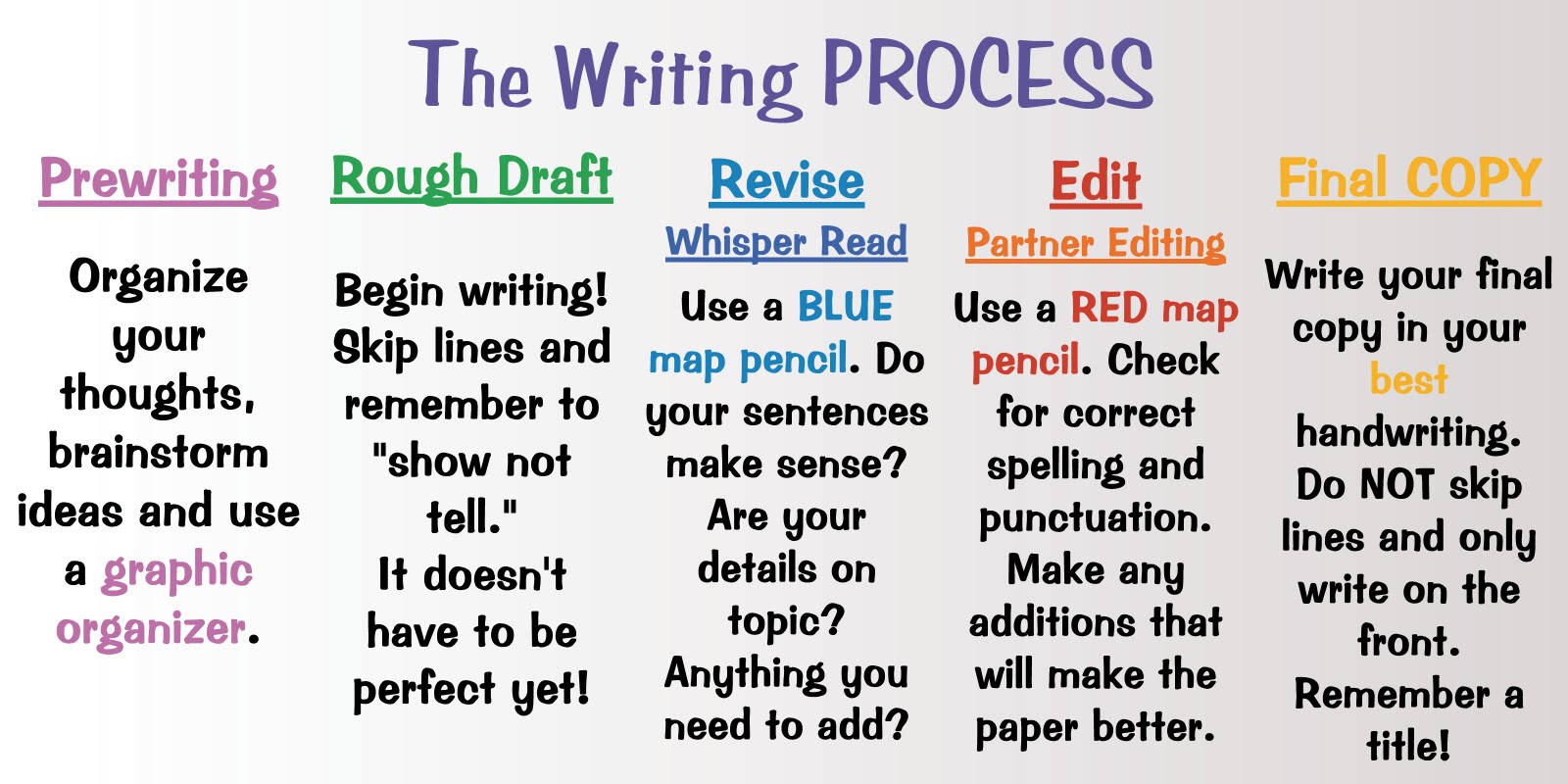
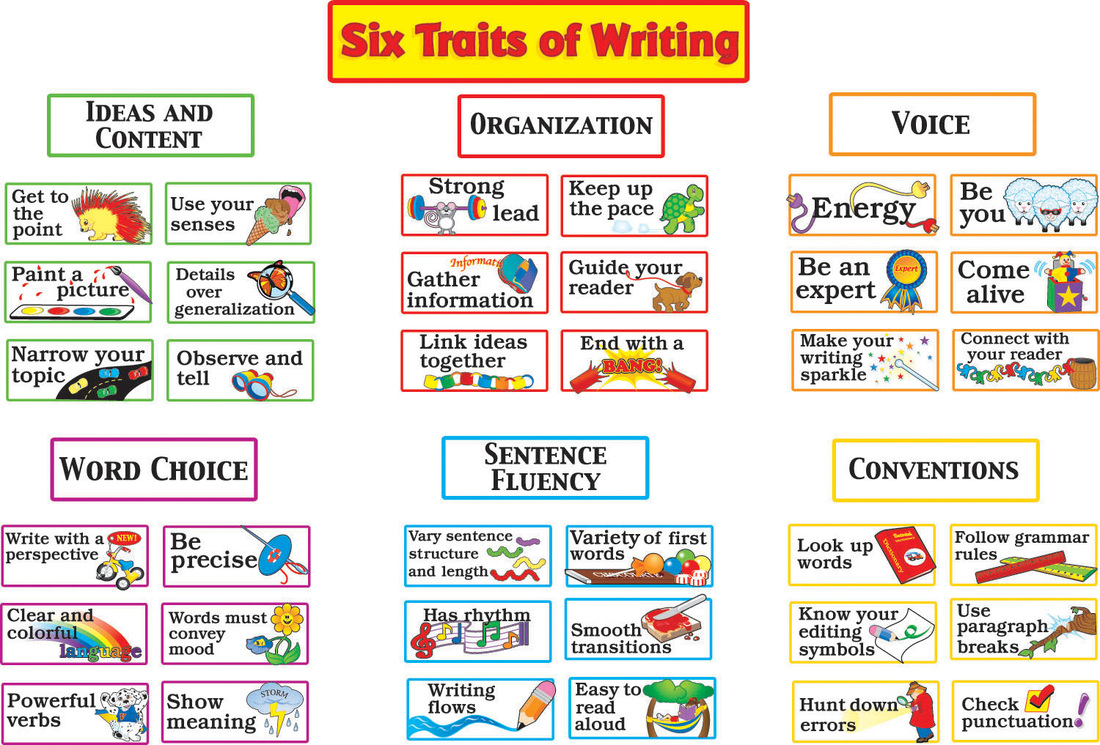
WRITING TECH


There's always a plan when you write. You can not use just one single sheet of paper.

There's a path that you have to follow


The worst part is the "thinking" part. Be clear, think about these points:


PLAN YOUR IDEAS


MIND MAP

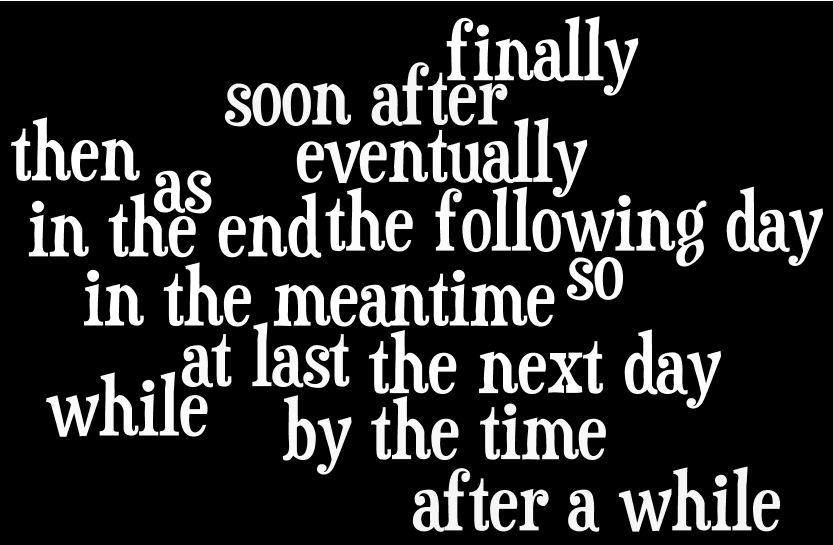
 The use of conectors is important. They make your test cohesive and coherent


WHILE YOU WRITE


WHEN YOU FINISH


12.17.2016

TWAS THE KNIGHT BEFORE CHRISTMAS

In 1820, an American professor named Clement Clarke Moore wrote a poem that redefined the image of Saint Nicholas.

It was called Account of a Visit from Saint Nicholas. He did not expect it to be published. He wrote it as a Christmas present for his young children.


This poem combines the traditions of Santa Claus, seasonal decorations and gift-giving that have come to define Christmas in America.


bilingual version                     IN OTHER WORDS


exercises

CHRISTMAS TIME


Can you guess the meaning of this image?


En Japón, para muchos la Navidad es sinónimo de comer pollo frito en la cadena de comida rápida KFC. Fue hace casi 40 años cuando, en medio de una campaña de marketing, el Coronel Sanders invitó a los japoneses a comprar su pollo frito como cena para la Navidad


We are used to celebrate Christmas in just one way.


THE THREE WISE MEN


THE BETHELEM


SEAFOOD PLATE


Do you know how do people in other countries celebrate Christmas?

bizarre traditions

traditional recipes

Christmas cards and celebrations

Christmas trees

11.21.2016

RELATIVE CLAUSES

see more illustrations here


In this brief text about the War of the roses you can see some words of the vocabulary of this unit in contex.
This is also a background for the excersise on page 23.
You can have a look at the grammar of the unit in the web links or the videos below.


        One of the most distinctive and unmistakable flowers in England is the Tudor Rose. This specific type of rose is both red (around the outside) and white (in the centre), and has been in use as the country’s plant emblem since the Tudor Era. But there is more to the Tudor Rose than meet the eye. The flower is not just a sight for sore eyes – it is a representation of the merging of two warring houses, and the end of years of conflict


       It was under these circumstances that Richard, Duke of York, a descendant of Edward III’s fourth son, Edmund of Langley,  claimed  the throne. The Duke had a powerful ally in Richard Neville, the Earl of Warwick, and together with their armies, the two of them marched into London to overthrow the mad King Henry. This was the beginning of a Civil war between the two greatest factions in England – the House of Lancaster and the House of York.

      The years of armed conflict, sometimes known as the Cousins’ War (owing to the fact that both Richard, Duke of York, and King Henry VI were directly descended from Edward III and therefore cousins), are most commonly known as the Wars of the Roses.


Non defining relative clause


The War of the Roses, which/ that lasted 30 years, finally ended in 1485.

Defining relative clause


The family which / that took power in the end was THE TUDOR  FAMILY.


SPANISH EXPLANATION

ENGLISH EXPLANATION


This is the video (Which/ That) we saw in class:


This is the video (which/that) I recommended to you:


This is the exercise 4 on page 23 in your book. Can you do it an practise what you have learnt?

THE WARS OF THE ROSES

The 15th century was a time ........................ members of two families fought for the throne of England.
There were two ambitious leaders .................... fought against each other with the help of their relatives. The two men were the sons of a  king ................. name was Eduard III. 

One of them was the Duke of Lancaster and the oter was the Duke of York. The symbol of the Lancaster family was a red rose, and their enemy was the family................. symbol was a white rose --- the Yorks.


The town ................. first battle took place was  St Albans. This battle was followed by 30 years of wars ....................  people called the Wars of the Roses.
Over these years, there were several kings and leaders ............. ruled the country. The wars finally ended in  1485. The family ...................... took power in the end was the Tudor family. They combined the roses ....................... represented the Yorks and the Lancasters and this combination of flowers became their symbol.


See here to meet someone who lived at that time.

RELATIVE CLAUSES

see more illustrations here


In this brief text about the War of the roses you can see some words of the vocabulary of this unit in contex.
This is also a background for the excersise on page 23.
You can have a look at the grammar of the unit in the web links or the videos below.


        One of the most distinctive and unmistakable flowers in England is the Tudor Rose. This specific type of rose is both red (around the outside) and white (in the centre), and has been in use as the country’s plant emblem since the Tudor Era. But there is more to the Tudor Rose than meet the eye. The flower is not just a sight for sore eyes – it is a representation of the merging of two warring houses, and the end of years of conflict


       It was under these circumstances that Richard, Duke of York, a descendant of Edward III’s fourth son, Edmund of Langley,  claimed  the throne. The Duke had a powerful ally in Richard Neville, the Earl of Warwick, and together with their armies, the two of them marched into London to overthrow the mad King Henry. This was the beginning of a Civil war between the two greatest factions in England – the House of Lancaster and the House of York.

      The years of armed conflict, sometimes known as the Cousins’ War (owing to the fact that both Richard, Duke of York, and King Henry VI were directly descended from Edward III and therefore cousins), are most commonly known as the Wars of the Roses.


Non defining relative clause


The War of the Roses, which/ that lasted 30 years, finally ended in 1485.

Defining relative clause


The family which / that took power in the end was THE TUDOR  FAMILY.


SPANISH EXPLANATION

ENGLISH EXPLANATION


This is the video (Which/ That) we saw in class:


This is the video (which/that) I recommended to you:


This is the exercise 4 on page 23 in your book. Can you do it an practise what you have learnt?

THE WARS OF THE ROSES

The 15th century was a time ........................ members of two families fought for the throne of England.
There were two ambitious leaders .................... fought against each other with the help of their relatives. The two men were the sons of a  king ................. name was Eduard III. 

One of them was the Duke of Lancaster and the oter was the Duke of York. The symbol of the Lancaster family was a red rose, and their enemy was the family................. symbol was a white rose --- the Yorks.


The town ................. first battle took place was  St Albans. This battle was followed by 30 years of wars ....................  people called the Wars of the Roses.
Over these years, there were several kings and leaders ............. ruled the country. The wars finally ended in  1485. The family ...................... took power in the end was the Tudor family. They combined the roses ....................... represented the Yorks and the Lancasters and this combination of flowers became their symbol.


See here to meet someone who lived at that time.

11.04.2016

PRESENT TENSES FOR FUTURE MEANING


THINK ABOUT IT:

Native speakers know the rules without noticing them, but second language learners have to recognise , understand, learn and practise them.
Have you ever noticed that?
Read here for more information


RULES WE DON´T KNOW WE KNEW


Did you know these rules?
what do you think about the article?


Now you can see this video to check if you know the rules:


practise here 

more practise here


5.10.2016

UNIT 7. REPORTED SPEECH


Nowadays we are used to live using our social media all the time. When we write in our whatsapp account, most of the time we are using direct speech.

But what about re-tweeting in your twitter or sharing in your facebook?

Imagine your life if you would have to retell everything you re-tweet or share nowadays.


That's indirect speech:


"Mary has bought a new dress,,,, she says it's amazing,,, but the colour doesn't fit her hair!" Laura said.

Can you tell me what has Laura said about her friend Mary?


You can have a look at these web sites BEFORE we deal with Reported Speech in class.


http://www.sherton.com/reporting verbs and more

http://www.shertonenglish.com/reported-speech

http://www.shertonenglish.com/questions

http://www.curso-ingles.com


You can also download, print and paste these charts  in your notebook :


The following day ****